
Blog: ifurniture Talk
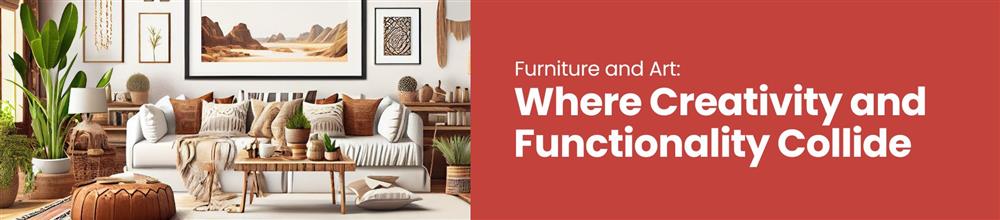 When it comes to transforming a house into a home, the fusion of creativity and functionality plays a pivotal role. Furniture, beyond its practical utility, has the remarkable ability to serve as an artistic expression, turning living spaces into personalised sanctuaries. In this article, we delve into the exciting realm where furniture and art converge, exploring the ways in which these two diverse worlds collide to create stunning, functional masterpieces.
The Artistry of Furniture Design
Furniture design, at its core, is an art form. Talented designers envision and craft pieces that are not mere utilities but intricate expressions of creativity. Every curve, every joint, and every material choice is a deliberate decision, reflecting the designer's artistic sensibilities. From minimalist Scandinavian designs to opulent Baroque-inspired pieces, furniture serves as a canvas where artistic visions come to life.
Functionality Beyond Form
While aesthetics are essential, functionality remains the soul of furniture. A beautifully crafted chair might be visually appealing, but its true value is realised when it provides comfort and support. Tables, shelves, sofas – each item must serve its purpose effectively. It is at the intersection of form and function that furniture becomes a seamless part of daily life, enhancing both the visual appeal and practicality of living spaces.
Sculptural Furniture: Where Art Becomes Utility
Sculptural furniture blurs the line between art and function. These pieces challenge traditional design concepts, often resembling sculptures more than conventional furniture. A coffee table that mimics a tree trunk, and a chair that seems to defy gravity – these creations not only serve their functional roles but also evoke a sense of wonder and admiration. Sculptural furniture pieces are conversation starters, inviting viewers to appreciate the boundaries of artistic innovation.
Artisanal Craftsmanship: Elevating Furniture to Art
In the realm of artisanal furniture, craftsmanship reaches its pinnacle. Artisans meticulously carve, weave, and mould materials, infusing life into their creations. Handcrafted furniture items are not mass-produced; they are unique, bearing the marks of the creator's hands. Each brushstroke, each carve, carries the essence of the artisan's dedication, transforming furniture into collectable art pieces sought after by connoisseurs.
The Impact of Artistic Furniture on Interiors
Introducing artistic furniture into interior spaces can utterly transform the ambiance. A bold, contemporary sculpture-turned-chair can serve as a focal point, drawing attention and admiration. Artistic furniture allows homeowners to personalise their spaces, making a statement about their tastes and values. Whether it's a vibrant, hand-painted cabinet or a subtly elegant carved bedframe, these pieces imbue rooms with character, elevating the overall aesthetics.
A Harmonious Blend of Beauty and Utility
In the world of furniture and art, the collision of creativity and functionality creates a harmonious blend that enriches our lives. Furniture transcends its utilitarian purpose, becoming a medium for artistic expression. As homeowners, appreciating this unique fusion allows us to curate living spaces that are not only practical but also visually captivating – spaces that resonate with our individuality and passion for creativity. So, the next time you choose a piece of furniture, consider the artistic journey behind it; you might find yourself not just buying furniture but investing in a masterpiece that enriches your home and your soul.
.jpg) In the ever-evolving world of interior design, styles from the past often resurface, and the 60s and 70s are no exception. The swinging 60s and funky 70s were defining decades for furniture trends, characterised by bold colours, unconventional shapes, and a free-spirited approach to design. In this article, we'll embark on a nostalgic journey and explore the resurgence of 60s and 70s furniture trends, highlighting how these retro styles are experiencing a vibrant revival in contemporary British homes.
In the ever-evolving world of interior design, styles from the past often resurface, and the 60s and 70s are no exception. The swinging 60s and funky 70s were defining decades for furniture trends, characterised by bold colours, unconventional shapes, and a free-spirited approach to design. In this article, we'll embark on a nostalgic journey and explore the resurgence of 60s and 70s furniture trends, highlighting how these retro styles are experiencing a vibrant revival in contemporary British homes.
The Swinging 60s: A Burst of Colour and Innovation:
The 60s were marked by a spirit of rebellion and creativity, and this ethos was reflected in furniture design. Here are some key elements of 60s furniture trends:
- Pop Art Influence: The pop art movement had a profound impact on furniture, with its bold use of primary colours and geometric patterns. Furniture pieces often featured eye-catching, vibrant hues.
- Modular Furniture: Modular and multifunctional furniture was popular in the 60s, allowing for adaptability and a sense of individuality in home decor.
- Organic Shapes: The era embraced organic, curvilinear shapes in furniture design, from egg-shaped chairs to circular coffee tables.
- Bold Patterns: Striking patterns like florals, abstracts, and polka dots adorned upholstery, cushions, and curtains.
- Iconic Designs: The 60s introduced iconic furniture pieces, such as the Eames Lounge Chair, the Egg Chair, and the Tulip Table, which remain highly sought after today.
The Funky 70s: An Era of Groovy Style:
The 70s brought a groovy and eclectic style to furniture design. Here are some defining characteristics of 70s furniture trends:
- Earth Tones: Earthy colours like avocado green, harvest gold, and burnt orange dominated furniture and decor palettes.
- Wood and Wicker: Furniture materials such as dark wood and wicker were popular, adding warmth and texture to interiors.
- Shag Carpets: Shaggy, deep-pile carpets were a common choice, adding a tactile and retro feel to living spaces.
- Bohemian Influence: The 70s saw the rise of bohemian and hippie aesthetics, with macramé, tapestries, and low seating options becoming fashionable.
- Open Floor Plans: The 70s embraced open floor plans, and furniture designs often aimed to create versatile living spaces.
The Revival of Retro:
So, why are these retro styles making a comeback in contemporary British homes? Here are some reasons:
- Nostalgia: Many people have fond memories of the 60s and 70s, and incorporating elements of these eras into their homes evokes nostalgia and a sense of comfort.
- Timeless Appeal: The bold and unique designs of the 60s and 70s possess a timeless quality that continues to captivate homeowners and designers alike.
- Mixing Eras: Contemporary interior design often involves blending different eras and styles. Retro pieces can add character and a touch of whimsy to modern interiors.
Embracing Retro in Contemporary Decor:
To incorporate 60s and 70s furniture trends into your contemporary decor:
- Choose Statement Pieces: Select iconic retro furniture pieces like a colourful Eames chair or a funky shag rug as statement items.
- Blend with Modern: Pair retro furniture with modern elements to create a balanced and eclectic look.
- Use Retro Accessories: Incorporate retro accessories like lava lamps, vintage posters, or bold-patterned cushions to infuse a touch of nostalgia.
The resurgence of 60s and 70s furniture trends offers an exciting opportunity to embrace the past while infusing your British home with a burst of colour, creativity, and a sense of fun. Whether you opt for a single retro statement piece or go all out with a full-on throwback theme, these trends are a groovy way to add character and personality to your contemporary decor. So, let's dance to the retro revival and celebrate the enduring appeal of these iconic decades in British interior design.
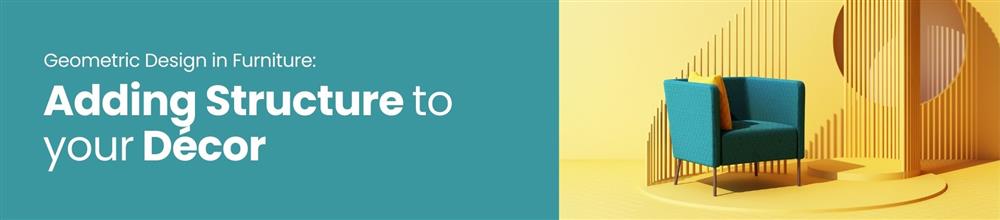 In the realm of interior design, geometry serves as more than a mathematical concept; it emerges as a potent tool for creating visually arresting and organized living spaces. The prominence of geometric design in furniture has been steadily increasing, and its appeal is evident. With clean lines, precise angles, and harmonious patterns, geometric furniture effortlessly introduces structure and a modern aesthetic to your décor. In this article, we will delve into the allure of geometric design in furniture and explore how it can impart a sense of organisation to your living spaces.
Geometry in Furniture: A Time-Honoured Aesthetic:
The influence of geometry has pervaded furniture design for centuries, drawing inspiration from various architectural and design movements. From the iconic zigzags and chevrons of the Art Deco era to the clean lines of mid-century modernism, geometric patterns have etched their mark on the landscape of furniture design. Today, this design ethos is experiencing a revival, with geometric furniture taking centre stage in contemporary interior design.
Essential Elements of Geometric Furniture:
- Sleek Lines: Geometric furniture is characterised by its clean, straight lines. Whether it takes the form of a rectangular coffee table, a square bookshelf, or a triangular side table, these shapes contribute to the structured and orderly appearance of the furniture.
- Symmetry: Symmetrical patterns, such as repeated squares, circles, or hexagons, frequently feature prominently in geometric furniture. This symmetrical balance imbues the design with a sense of order and harmony.
- Contrast: Geometric furniture often relies on the interplay of contrasting elements, which may involve contrasting colours, materials, or shapes. These contrasts introduce visual interest and elevate geometric furniture pieces.
- Modularity: Many geometric furniture pieces are designed with modularity in mind. This means that you can rearrange or combine them to adapt to changing needs, enhancing the versatility of your décor.
Versatility of Geometric Furniture:
One of the most appealing aspects of geometric furniture is its versatility. It can seamlessly complement a wide range of interior design styles, from minimalistic and contemporary to industrial and retro. Here are some examples of how geometric furniture can enhance various living spaces:
- Living Room: Geometric coffee tables and shelving units can serve as captivating focal points, providing structure and functionality to your living area while offering a platform for showcasing your cherished décor items.
- Bedroom: A geometric bed frame or headboard can make a bold design statement, while geometric nightstands and dressers deliver storage solutions with a modern edge.
- Dining Area: Geometric dining tables and chairs can create an elegant, well-organised dining space, ideal for hosting guests.
- Home Office: Geometric desks and storage units not only offer a stylish workspace but also assist in maintaining an organised and clutter-free home office environment.
Pairing Geometric Furniture with Other Styles:
Geometric furniture can be seamlessly integrated with other design styles. For example, it can introduce structure and order to bohemian décor, introduce contrast in rustic settings, or enhance the sleekness of a contemporary space. Experiment with diverse combinations to strike the perfect balance that resonates with your personal style.
Geometric design in furniture transcends trends; it embodies a timeless aesthetic that infuses structure, equilibrium, and a contemporary allure into your décor. Whether you opt for a geometric coffee table as a statement piece or incorporate modular geometric shelving units for practical elegance, these pieces are poised to create a visual impact. Embrace the elegance of geometry in furniture design, and allow your décor to embody a sense of structure, harmony, and modern sophistication.
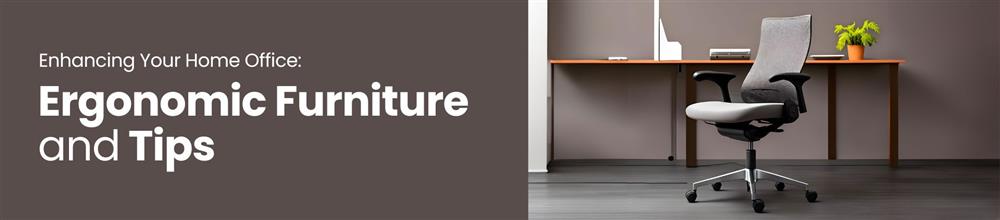 In today's fast-paced world, a well-designed home office is not just a luxury; it's a necessity. Whether you're working remotely, freelancing, or simply need a dedicated space for tasks, creating an ergonomic home office is vital for productivity, comfort, and overall well-being. In this article, we'll explore the importance of ergonomic furniture and share valuable tips to help you elevate your home office setup.
Understanding Ergonomics:
Ergonomics is the science of designing workspaces and equipment to enhance human efficiency and comfort. In the context of a home office, ergonomic design focuses on creating an environment that reduces the risk of discomfort, strain, and injury while maximising productivity. It's all about finding the right balance between comfort and functionality.
Investing in Ergonomic Furniture:
- Ergonomic Chairs: Start with a high-quality ergonomic chair that provides proper lumbar support and adjustable features. Look for chairs with adjustable armrests, seat height, and backrest recline. Your chair is the foundation of your home office comfort.
- Height-Adjustable Desks: A height-adjustable desk allows you to switch between sitting and standing throughout the day. This not only promotes better posture but also reduces the risk of prolonged sitting-related health issues.
- Monitor Stands and Mounts: Position your computer monitor at eye level to prevent neck strain. Monitor stands or wall mounts can help you achieve the ideal viewing height and angle.
- Ergonomic Accessories: Invest in accessories like an ergonomic keyboard and mouse to reduce the risk of wrist and hand strain. An adjustable monitor arm can also be helpful for positioning your screen optimally.
Tips for an Ergonomic Home Office:
- Proper Chair Height: Adjust your chair so that your feet rest flat on the floor, and your knees are at a 90-degree angle. This promotes good blood circulation and reduces pressure on your lower back.
- Keyboard and Mouse Placement: Keep your keyboard and mouse close enough that you can use them comfortably without straining your shoulders or wrists. Your arms should be parallel to the ground.
- Screen Placement: Position your monitor at eye level and about an arm's length away from your face. This minimises neck strain and ensures you're not hunching over or looking down.
- Take Regular Breaks: Incorporate short breaks into your work routine. Stand up, stretch, and move around to prevent prolonged sitting-related issues. Consider using a timer or an app to remind you to take breaks.
- Organise Your Workspace: Keep your workspace clutter-free. A well-organised desk reduces distractions and enhances your focus.
- Proper Lighting: Ensure your home office has adequate, glare-free lighting. Natural light is ideal, but if that's not possible, use task lighting to illuminate your workspace.
- Personalise Your Space: Add personal touches to your home office to make it a comfortable and inspiring place to work. Plants, artwork, and décor can create a positive atmosphere.
Your home office should be a space where you can work comfortably and efficiently. By investing in ergonomic furniture and implementing ergonomic principles, you can create a workspace that not only promotes productivity but also supports your physical well-being. Remember that a well-designed home office is an investment in your health and work performance, so take the time to set it up properly. With the right ergonomic furniture and habits, you can elevate your home office experience and make it a place where you thrive.
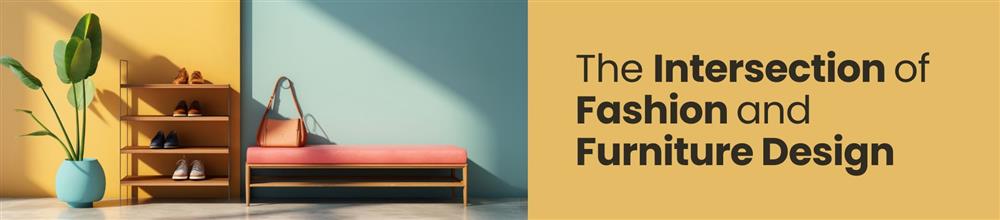 In the realm of design, where creative boundaries are boundless, fashion and furniture have long been kindred spirits. The allure of aesthetics, the significance of functionality, and the influence of cultural trends meet at this intriguing crossroads, fostering a captivating interplay that perpetually inspires innovation. This article delves into the enthralling relationship between fashion and furniture design, exploring how they mutually influence and enrich each other's domains.
A Fusion of Form and Function:
Both fashion and furniture design share a fundamental principle: the fusion of form and function. Just as a finely tailored suit makes a statement whilst ensuring comfort, furniture must blend style and utility seamlessly. Designers in both disciplines face the challenge of crafting pieces that are not only visually appealing but also practical in everyday life.
Material Choices:
One of the most conspicuous links between fashion and furniture design resides in the selection of materials. The textures, colours, and fabrics used in clothing frequently find their way into furniture upholstery, culminating in a harmonious marriage. Luxurious velvet sofas, sleek leather chairs, and fabric-draped headboards all acknowledge fashion for their material inspirations.
Colour Trends and Palettes:
Fashion designers frequently dictate colour trends that extend far beyond the catwalk. The hues showcased in clothing collections inevitably impact the colour palettes chosen for furniture upholstery and finishes. As fashion trends transition from earthy neutrals to bold, vibrant shades, furniture designers follow suit, crafting pieces that align with contemporary tastes.
Cultural Impacts:
Both fashion and furniture design draw richly from cultural influences. Designers frequently incorporate motifs, patterns, and artistic elements from various cultures into their creations. Whether it's the influence of Japanese minimalism or the vibrancy of African prints, this cross-pollination of ideas enriches both industries and allows consumers to experience diverse global aesthetics.
Evolving Styles and Eras:
In the same vein as fashion's distinct eras – such as the Roaring Twenties, the Swinging Sixties, and the minimalist Nineties – furniture design also mirrors these stylistic shifts. Mid-century modern furniture, for example, reflects the clean lines and functional elegance of its era, much like the fashion trends of that period. The fluidity between these two domains ensures that past styles consistently inspire contemporary design.
The convergence of fashion and furniture design represents an enthralling realm where creativity knows no bounds. As these two fields continue to inspire and influence each other, we can anticipate witnessing even more innovative designs that cater to our ever-evolving tastes and requirements. Therefore, the next time you embark on a quest for a stylish sofa or a trendy outfit, remember that you're not merely selecting a piece of fabric or furniture – you're embracing a rich tapestry of design history and culture.
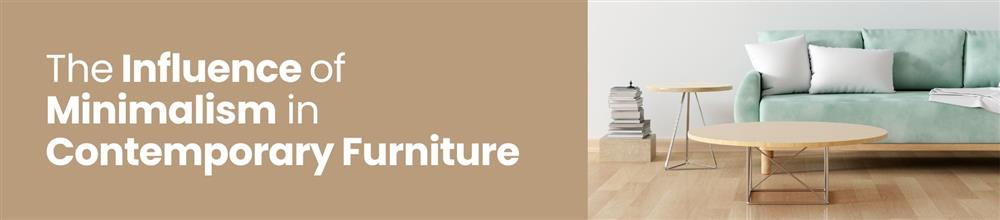 Minimalism, with its focus on simplicity, functionality, and the "less is more" ethos, has left an indelible mark on contemporary furniture design. This influential design philosophy has significantly shaped the way we perceive and interact with furniture in our modern living spaces. In this article, we will delve into the profound impact of minimalism on contemporary furniture, tracing its origins and exploring its lasting relevance in the current design landscape.
Origins of Minimalism in Furniture Design
Minimalism as an art movement emerged in the mid-20th century, championed by artists and architects such as Mies van der Rohe, Le Corbusier, and Donald Judd. It sought to strip away excess, embracing the purity of form and function. This minimalist approach naturally found its way into furniture design, giving rise to iconic pieces that continue to enjoy popularity today.
Characteristics of Minimalist Contemporary Furniture
- Clean Lines: Minimalist furniture is characterised by clean, straight lines that exude simplicity and order. These lines contribute to a visually uncluttered and streamlined appearance.
- Functional Design: Minimalist furniture prioritises functionality. Each element serves a purpose, with unnecessary embellishments eliminated. This focus on practicality renders minimalist pieces versatile and timeless.
- Neutral Colour Palette: A neutral colour palette is a hallmark of minimalist design. Whites, blacks, grays, and earthy tones dominate, creating a tranquil and serene atmosphere. Occasionally, bold accent colours may be sparingly employed to add interest.
- Quality Materials: Minimalist furniture often features quality materials like natural wood, leather, steel, and glass. These materials not only ensure durability but also project an air of sophistication.
- Negative Space: The utilisation of negative space is pivotal in minimalist design. It allows the eye to rest and appreciate the simplicity of the furniture and the overall environment. This approach also contributes to a sense of openness and spaciousness.
Enduring Influence of Minimalism
The influence of minimalism on contemporary furniture design persists in several ways:
- Timeless Aesthetics: Minimalist furniture possesses a timeless quality that transcends trends. The clean lines and neutral colours make these pieces easy to incorporate into various interior design styles.
- Small-Space Living: As urban living spaces continue to shrink, minimalist furniture has become a practical choice. Its functional design and compact proportions make it ideal for small apartments and homes.
- Sustainability: Minimalism's emphasis on quality and functionality aligns with sustainability principles. Consumers increasingly seek furniture that is built to last, reducing the need for frequent replacements.
- Maximising Utility: Minimalist furniture's emphasis on functionality has led to innovative multi-purpose pieces. Sofa beds, storage beds, and extendable dining tables are examples of how minimalist design maximises utility.
- Minimalist Technology Integration: The rise of smart homes has seen the seamless integration of technology into minimalist furniture. Charging ports, built-in speakers, and other tech features blend effortlessly with minimalist aesthetics.
Minimalism has left an indelible imprint on contemporary furniture design, shaping its aesthetics, functionality, and sustainability. Today's designers continue to draw inspiration from the minimalist ethos, creating furniture that combines simplicity, versatility, and enduring appeal. Whether you reside in a compact living space, seek sustainable choices, or appreciate the beauty of clean lines and functionality, minimalism in contemporary furniture offers a compelling solution for modern living. Its influence remains as relevant and compelling as ever in the ever-evolving world of interior design.
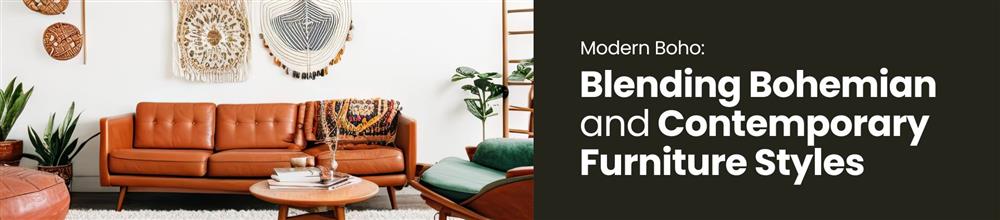 In the world of interior design, the fusion of styles often sparks creativity and intrigue. One such captivating blend is the union of Bohemian and contemporary styles, commonly referred to as "Modern Boho." This design trend effortlessly combines the free-spirited and eclectic charm of Bohemian décor with the clean lines and minimalism of contemporary design. In this article, we'll explore the art of melding Bohemian and contemporary furniture to craft a stylish, harmonious, and truly distinctive living space.
Understanding Modern Boho
Modern Boho revolves around achieving equilibrium. It harmoniously marries the carefree and vibrant Bohemian style with the structured simplicity of contemporary design. When executed adeptly, it results in a space that is both relaxed and sophisticated, where comfort seamlessly blends with aesthetics.
Embrace Vibrant Patterns and Textures
Bohemian style is renowned for its embrace of vivid patterns and sumptuous textures. To infuse your contemporary furniture with a Modern Boho feel, begin by introducing patterned rugs, cushions, or throws. These elements can add a dash of Bohemian character to your contemporary pieces. Seek textiles featuring tribal, floral, or geometric patterns in bold hues like deep blues, reds, or earthy tones.
Mix and Match Furniture Styles
A hallmark of Modern Boho is the skillful interplay of various furniture styles. Pair your contemporary sofa with Bohemian-inspired armchairs, or combine a vintage coffee table with a sleek, minimalist side table. This eclectic mix imparts character and visual intrigue to your living area.
Play with Colour
While contemporary design often favours a subdued colour palette, Bohemian style revels in vivid and diverse colours. In a Modern Boho context, you can introduce lively colours through accent furniture pieces like chairs, ottomans, or a distinctive bookshelf. These colourful additions can break the monotony of neutral tones and inject vibrancy and vitality into your décor.
Incorporate Natural Elements
Both Bohemian and contemporary styles appreciate the intrinsic beauty of natural materials. Contemplate the inclusion of wooden furniture, potted plants, or woven baskets in your setting. These natural components not only enhance the Bohemian influence but also bestow warmth and equilibrium within the contemporary context.
Focus on Art and Accessories
Boho décor frequently showcases an array of unique art pieces and accessories. To capture a Modern Boho aesthetic, adorn your walls with eclectic artwork, tapestries, or mirrors featuring intricate frames. Display collected items, such as travel souvenirs or vintage discoveries, on open shelving to impart a personalised touch to your space.
Maintain Openness and Simplicity
While Bohemian style revels in decorative abundance, it's vital to uphold an air of simplicity within a Modern Boho space. Avoid overwhelming your room with an excess of furnishings. Instead, carefully curate your furniture and accessories to cultivate a balanced and inviting ambiance.
Modern Boho design offers an enthralling fusion of the carefree allure of Bohemian style and the clean, uncluttered lines of contemporary design. By integrating vibrant patterns, juxtaposing furniture styles, experimenting with colour, introducing natural elements, emphasising art and accessories, and preserving simplicity, you can craft a space that mirrors your individuality and taste. The Modern Boho aesthetic celebrates the convergence of the best of both worlds, creating a harmonious, eclectic, and visually captivating living environment that you'll be proud to call your own.
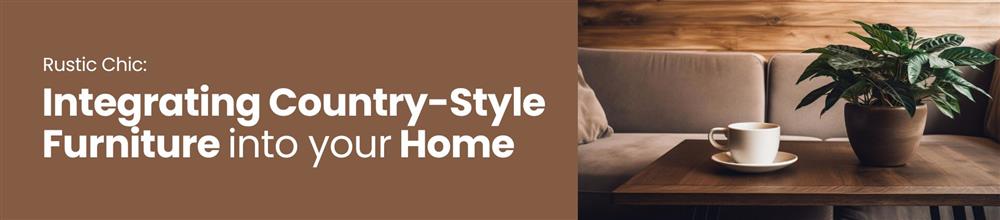 The rustic chic design trend, which combines the allure of country living with contemporary aesthetics, has gained significant popularity in interior design. It focuses on creating a welcoming and stylish atmosphere that exudes both comfort and style. A key component of this trend is the incorporation of country-style furniture. In this article, we'll explore how to seamlessly bring rustic chic into your living spaces by integrating country-style furniture into your home.
Embrace Natural Materials
Country-style furniture frequently features natural materials such as wood, stone, and metal. Opt for pieces that highlight the innate beauty of these materials. Look for dining tables crafted from reclaimed wood, coffee tables with stone tops, or chairs and lighting fixtures adorned with wrought iron accents. The use of these materials adds a rustic touch and imbues your decor with a sense of authenticity.
Select Earthy Colour Palettes
A pivotal aspect of rustic chic design is the colour palette. Earthy tones like warm browns, muted greens, soft blues, and neutral beiges take centre stage in this style. When choosing country-style furniture, favour pieces in these hues to create a harmonious aesthetic. These colours evoke the essence of the countryside while fostering a soothing and relaxed atmosphere in your home.
Combine Furniture Styles
Rustic chic encourages a fusion of furniture styles to create an eclectic and inviting ambiance. Blend country-style furniture with modern or contemporary pieces to achieve a balanced look. For instance, pair a farmhouse dining table with sleek, upholstered chairs or juxtapose a weathered wood coffee table with a minimalist sofa. This interplay of styles adds depth and character to your decor.
Focus on Distressed Finishes
The allure of country-style furniture often lies in its distressed finishes. These finishes convey a sense of history and character to your living spaces. Seek out dressers, cabinets, or side tables with weathered or distressed paint. These items introduce a touch of vintage charm and nostalgia to your decor.
Incorporate Antiques and Vintage Discoveries
To fully embrace rustic chic, contemplate the inclusion of antiques and vintage discoveries in your interior. Scour antique shops, flea markets, or online marketplaces for unique, one-of-a-kind pieces. These finds can serve as focal points in your decor and infuse your home with an air of authenticity.
Introduce Textural Elements
Texture plays a crucial role in rustic chic design. To achieve this, weave textiles and fabrics that exude cosiness into your decor. Consider plush rugs, knitted throws, and linen or cotton upholstery for your country-style furniture. These textures enhance the comfort and tactile appeal of your living spaces.
Pay Attention to Detail
The charm of country-style furniture often resides in the details. Seek out pieces featuring intricate carvings, decorative hardware, and unique craftsmanship. These small details can elevate the overall aesthetic of your home and make a significant difference in your decor.
Personalise Your Space
Make your rustic chic decor distinctly your own by adding personal touches. Display family heirlooms, vintage photographs, or handmade crafts to foster a sense of nostalgia and connection with the past. These personal elements enhance the warmth and personality of your home.
Incorporating country-style furniture into your home is a delightful way to embrace the rustic chic trend. By combining natural materials, earthy colours, and distressed finishes, you can create a welcoming and stylish living space that exudes both comfort and character. Remember to mix and match furniture styles, introduce textural elements, and pay attention to details to achieve the perfect rustic chic look. With a thoughtful approach, your home can become a harmonious blend of country charm and modern elegance.
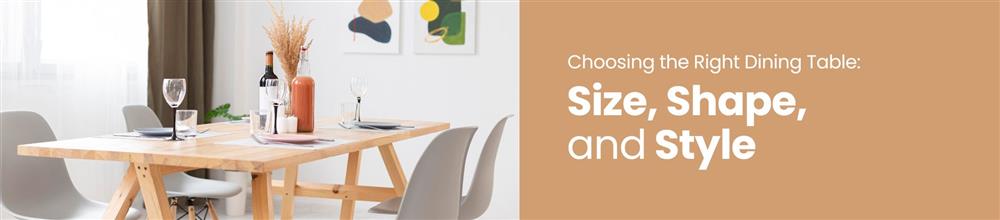 The dining table serves as the focal point of any dining room, where family and friends come together to share meals, stories, and special moments. Selecting the correct dining table is of utmost importance, not only to create a practical dining space but also to enhance the overall aesthetics of your home. In this article, we'll guide you through the crucial considerations - size, shape, and style - to help you select the perfect dining table that suits your requirements and complements your interior design.
Size Matters: Dining Table Dimensions
Determining the correct size for your dining table is the primary and most critical step. Take into account the following factors:
- Room Dimensions: Measure your dining room to ensure there's enough space for the table and chairs. Leave at least 36 inches (91 cm) between the table's edge and the wall or other furniture to allow comfortable movement.
- Seating Capacity: Decide how many people you want to accommodate regularly. A typical rule of thumb is that each person needs about 24 inches (61 cm) of width at the table. For rectangular tables, add an extra 12 inches (30 cm) at each end for those seated at the head and foot.
- Table Shape: The shape of the table can affect how many people it can comfortably seat. Rectangular tables are versatile and can accommodate many guests, while round tables are great for more intimate gatherings. Oval tables offer a compromise between the two.
Shape and Style: Dining Table Design
Once you've determined the right size, consider the shape and style that best suits your taste and complements your dining room:
- Rectangular Tables: These are the most common and versatile choice. They work well in both formal and casual settings and are ideal for accommodating larger groups.
- Round Tables: Round tables encourage conversation and are perfect for creating an intimate atmosphere. They work well in smaller spaces and add a touch of elegance to any room.
- Oval Tables: Oval tables combine the benefits of rectangular and round tables. They offer more flexibility in seating than round tables while maintaining a sense of intimacy.
- Style: Choose a dining table style that aligns with your overall interior decor. Whether you prefer classic, rustic, modern, or eclectic design, there's a dining table style to suit your aesthetic preferences.
Material Matters: Dining Table Construction
Consider the material of the dining table, as it can greatly influence both its appearance and durability:
- Wood: Wooden tables are timeless and versatile, ranging from rustic to contemporary designs. Hardwoods like oak and walnut are durable and beautiful.
- Glass: Glass tabletops create a modern and airy look, making small spaces appear larger. Be mindful of maintenance, as glass can show fingerprints and require regular cleaning.
- Metal: Metal tables are sleek and contemporary. They are often used for outdoor dining but can also work well in industrial or modern interior designs.
- Marble and Stone: These materials lend a sense of luxury and sophistication to your dining room. However, they may require more care to prevent staining or damage.
Practical Considerations: Dining Table Features
Lastly, think about the practical features that enhance your dining experience:
- Extensions: Extendable dining tables are perfect for accommodating extra guests on special occasions while maintaining a space-saving design for everyday use.
- Storage: Some dining tables come with built-in storage options like drawers or shelves, ideal for keeping dining essentials close at hand.
Selecting the right dining table involves a thoughtful evaluation of size, shape, style, and material to suit your dining needs and complement your home's decor. With these considerations in mind, you'll be well-prepared to select the perfect dining table that not only serves as a functional centrepiece but also adds warmth and character to your dining room, creating a welcoming space for memorable meals and gatherings.
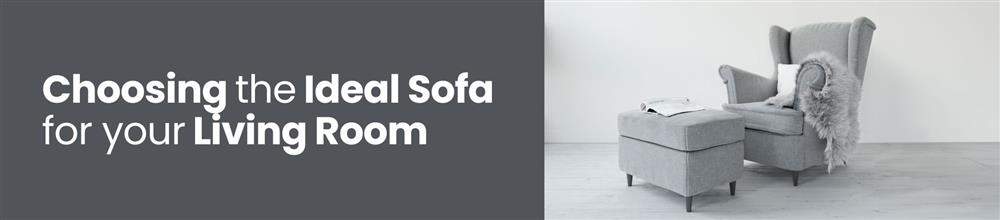 The sofa takes centre stage in the living room, where we unwind, entertain guests, and create lasting memories with our loved ones. Selecting the ideal sofa is more than just a matter of aesthetics; it's about comfort, functionality, and how well it complements your living space. In this article, we'll guide you through the key factors to help you choose the perfect sofa that will enhance the comfort and style of your living room.
Measure Your Space
Before you begin your search for sofas, take accurate measurements of your living room. Consider the sofa's dimensions in relation to the available space, ensuring it fits comfortably without dominating the room. Also, think about the sofa's depth, as deeper sofas offer a more relaxed seating experience, while shallower ones are sleeker and space-efficient.
Style and Design
Sofas come in a variety of styles, from classic to contemporary and everything in between. Your choice should harmonise with your existing decor or serve as the focal point of a new design scheme. Explore options such as traditional rolled-arm sofas, mid-century modern pieces, or streamlined contemporary designs to discover the style that resonates with you.
Upholstery
The choice of upholstery fabric significantly impacts the sofa's comfort and durability. Consider your lifestyle and the sofa's intended use. If you have children or pets, you might opt for durable, stain-resistant fabrics like microfibre or leather. Conversely, if you desire luxury and comfort, plush velvet or chenille can be attractive choices.
Colour and Pattern
The colour and pattern of the sofa should complement your living room's colour scheme and overall aesthetic. Neutrals such as beige, grey, and white are timeless and versatile, allowing you to experiment with different accent colours through cushions and throws. Bold colours or patterns can add drama and personality, but be mindful of their long-term appeal and adaptability.
Comfort and Cushioning
Comfort is paramount when choosing a sofa. Test the seating comfort by sitting on different sofas in the showroom. Consider the cushioning material—foam, down, or a combination of both. Sofas with removable and reversible cushions can extend their lifespan and maintain their comfort over time.
Frame and Construction
Examine the sofa's frame and construction quality. A robust, well-built frame made from hardwood or metal ensures durability and longevity. Sofas with corner-blocked, glued, and screwed joints are typically more robust and reliable.
Seating Capacity
Determine the seating capacity you need. Sofas come in various sizes, from loveseats for two to sectional sofas that can accommodate a crowd. Choose a size that suits your household's requirements and the proportions of your living room.
Additional Features
Explore sofas with additional features that cater to your lifestyle. Some sofas come with built-in recliners, sleeper mechanisms, or storage compartments, offering added convenience and functionality.
Budget
Establish a budget and adhere to it. Sofas vary widely in price, so it's crucial to set a budget range that aligns with your financial objectives while allowing for quality and comfort.
Selecting the ideal sofa for your living room involves a blend of style, comfort, and functionality. Take into account your available space, personal preferences, lifestyle, and budget to make an informed decision. Your sofa should not only enhance the aesthetics of your living room but also provide a comfortable and welcoming space for relaxation and socialising. With these considerations in mind, you'll be well-equipped to find the perfect sofa that complements your living room's needs and your distinctive sense of style.
.webp)
Article archive
- 2025
- 2024
- 2023
- 2022
.jpeg)

 (3).jpeg)
