
Posts tagged with 'home ambiance'
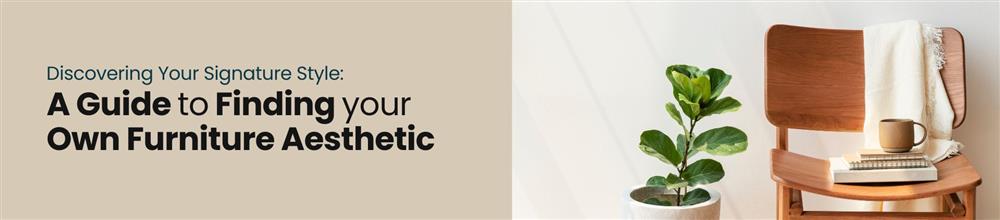
Your home is a reflection of your personality, and furniture plays a pivotal role in shaping its ambiance. Whether you're moving into a new space or looking to revamp your existing one, discovering your own style of furniture is an exciting journey of self-expression and creativity. In this article, we'll explore the steps to help you unearth your unique furniture aesthetic that resonates with who you are and how you want to live.
Step 1: Self-Exploration and Inspiration
- Reflect on Your Lifestyle: Begin by considering your lifestyle, routines, and preferences. Are you drawn to cozy and intimate spaces, or do you prefer open, airy environments? Understanding how you use your space will guide your furniture choices.
- Gather Inspiration: Create a mood board or Pinterest board filled with images that resonate with you. These could be snapshots of interiors, nature scenes, artworks, or even fashion pieces that evoke the feelings you want your space to convey.
Step 2: Define Your Aesthetic
- Identify Key Elements: Analyze your inspiration board to identify recurring themes. Do you notice a preference for clean lines and minimalism, or are you drawn to ornate details and rich textures? Pinpoint the key elements that define your aesthetic.
- Articulate Your Style: Use adjectives to describe your style. Is it modern, rustic, vintage, industrial, bohemian, or a fusion of multiple styles? Naming your aesthetic helps you communicate your vision when selecting furniture.
Step 3: Explore Furniture Styles
- Research Styles: Research different furniture styles that align with your defined aesthetic. Learn about the characteristics, history, and key features of each style to make informed decisions.
- Visit Showrooms and Stores: Explore furniture showroom and take note of pieces that resonate with your vision and capture their details.
Step 4: Building Your Furniture Collection
- Start with Essentials: Begin by investing in foundational pieces that reflect your style and serve essential functions. These could include a sofa, dining table, and bed, depending on your needs.
- Mix and Match: Don't be afraid to mix furniture styles, as long as they share common elements that tie them together. Combining different aesthetics can create a unique and eclectic look.
- Personal Touches: Incorporate personal touches through decorative accessories, such as cushions, artwork, and lighting. These elements can infuse your space with your personality and enhance your chosen aesthetic.
Step 5: Embrace Evolution
- Fluidity of Style: Remember that your furniture style can evolve over time. As you continue to grow and change, so can your design preferences. Stay open to incorporating new pieces that resonate with your evolving tastes.
- Experimentation: Don't hesitate to experiment and take design risks. Your home is a canvas for your creativity, and trying new arrangements or introducing unexpected pieces can lead to delightful discoveries.
Finding your own style of furniture is a captivating journey that merges self-discovery with design exploration. By delving into your lifestyle, drawing inspiration from a variety of sources, and curating a collection of furniture pieces that embody your aesthetic, you can create a living space that is uniquely yours. Remember, your signature style is a reflection of your essence, a visual narrative that tells your story and makes your home a true sanctuary of self-expression and comfort.
Check our wide selections of furniture to create your own signature style home!
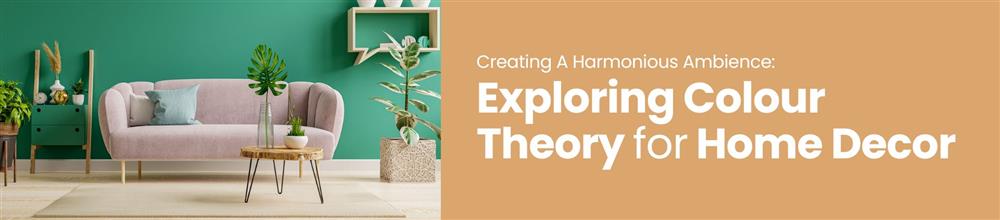
When it comes to home decor, colour plays a crucial role in setting the mood and creating a harmonious ambience. The right colour scheme can transform a space, evoking emotions, influencing behaviour, and enhancing overall well-being. By understanding the principles of colour theory and how different colours interact, you can create a visually pleasing and balanced environment that reflects your personal style and enhances your everyday living experience. In this article, we will explore the fascinating world of colour theory and discover how to apply it effectively to your home decor.
Understanding Colour Theory
Colour theory is a discipline that explores how colours interact with one another and how they can be combined to create different visual effects. The three primary colours—red, blue, and yellow—form the basis of all other colours on the colour wheel. By mixing these primary colours, secondary colours such as orange, green, and purple are created. Tertiary colours are formed by mixing a primary colour with a neighbouring secondary colour on the wheel. Additionally, colour temperature—warm or cool—plays a significant role in setting the mood of a space.
Choosing a Colour Scheme
Before diving into colour selection, it's important to determine the mood and atmosphere you want to create in each room. Consider the function of the space, the natural lighting available, and the overall theme or style you wish to achieve. Here are a few popular colour schemes and their effects:
- Monochromatic: This scheme involves using various shades, tints, and tones of a single colour. It creates a serene and sophisticated ambiance, perfect for minimalist or modern interiors.
- Analogous: Analogous colours are adjacent to each other on the colour wheel. This scheme creates a harmonious and cohesive look while offering more variety than a monochromatic scheme. For instance, combining blue, green, and teal can create a calming and nature-inspired environment.
- Complementary: Complementary colours are opposite each other on the colour wheel, such as blue and orange or red and green. This scheme creates a vibrant and energetic atmosphere. However, it's important to balance the proportions of the complementary colours to avoid overwhelming the space.
- Triadic: Triadic colour schemes consist of three colours that are evenly spaced on the colour wheel. For example, combining red, yellow, and blue creates a dynamic and visually appealing look. Use one colour as the dominant hue and the other two as accents to maintain balance.
The Psychological Impact of Colours
Colours have a profound psychological impact on our emotions and behaviours. Understanding the effects of different colours can help you create the desired atmosphere in each room:
- Red: Associated with passion, energy, and warmth, red stimulates conversation and appetite. It's an excellent choice for dining rooms or areas where you want to create a lively and sociable atmosphere.
- Blue: Blue is calming, soothing, and often associated with tranquillity. It's ideal for bedrooms, bathrooms, or spaces where relaxation is a priority. Lighter shades of blue can also create a sense of expansiveness.
- Yellow: Symbolising happiness and optimism, yellow brings a sense of energy and positivity. It works well in kitchens, living rooms, or areas where you want to foster creativity and joy.
- Green: Green represents nature, growth, and balance. It promotes a sense of serenity and is perfect for bedrooms, home offices, or any space where you want to evoke a connection with the outdoors.
- Purple: Associated with luxury and spirituality, purple adds a touch of sophistication and creativity. It's a great choice for living rooms or spaces where you want to create a sense of elegance.
Balancing Colours in Space
While it's essential to choose the right colour scheme, achieving balance within a space is equally crucial. Here are a few tips for balancing colours effectively:
- Dominant Colour: Select one colour as the dominant hue and use it for larger surfaces such as walls or furniture. This establishes the overall mood and sets the tone for the space.
- Accent Colours: Introduce accent colours in smaller doses to create visual interest and focal points. These can be incorporated through accessories, artwork, or textiles.
- Neutrals: Neutrals such as white, beige, or grey provide a calming backdrop and help balance more vibrant colours. They can be used for larger surfaces or as a base for furniture and decor.
- Visual Flow: Ensure a smooth transition between rooms by using complementary or coordinating colours that create a sense of continuity throughout your home.
Colour theory is a powerful tool that can transform your home into a harmonious and visually pleasing sanctuary. By understanding the principles of colour interaction and the psychological impact of different hues, you can create an atmosphere that aligns with your personal style and promotes well-being. Whether you opt for a monochromatic scheme, analogous colours, or a dynamic triadic palette, remember to maintain balance and consider the function of each space. With a thoughtful approach to colour selection and composition, your home decor will radiate harmony and leave a lasting impression on all who enter.
Check out our products!
_11zon.webp)
Article archive
- 2025
- 2024
- 2023
- 2022
.jpeg)

 (3).jpeg)
