
Blog: ifurniture Talk

In the pursuit of a harmonious and balanced living space, many homeowners are turning to the ancient art of Feng Shui. This Chinese practice, which dates back thousands of years, aims to optimise the flow of energy or "chi" in a given space. While it encompasses various elements, one crucial aspect is the arrangement of furniture. In this blog, we will explore the concept of Furniture Feng Shui and how you can use it to create a serene and balanced environment in your home.
Understanding Furniture Feng Shui
At its core, Feng Shui is about creating a connection between the energy of the environment and its inhabitants. Furniture Feng Shui focuses on optimising the energy flow through the careful placement of furniture pieces. By doing so, it can positively influence aspects of your life such as health, relationships, and overall well-being.
Tips for Furniture Feng Shui
- Declutter First: Before embarking on your Furniture Feng Shui journey, start by decluttering your living space. Remove any unnecessary items that may hinder the smooth flow of energy. Clutter not only disrupts the balance but can also affect your mental clarity and focus.
- Understand the Bagua Map: The Bagua Map is a fundamental tool in Feng Shui. It divides your space into nine areas, each corresponding to a specific aspect of life, such as wealth, love, or health. Use the Bagua Map to identify which areas of your home correspond to which life aspect. This will guide you in placing relevant furniture in the right areas.
- Balance and Symmetry: Achieving balance in your furniture arrangement is key to good Feng Shui. Symmetry helps create a sense of stability and harmony. For example, if you have a large sofa on one side of the living room, balance it with a similar-sized furniture piece on the opposite side.
- Avoid Sharp Corners: Sharp corners on furniture can create negative energy, known as "sha chi." Choose furniture with rounded edges or place a decorative cover over sharp corners to soften their impact.
- Proper Furniture Placement: Be mindful of how you position your furniture. For instance, avoid placing furniture with its back to the main entryway, as this may block the flow of energy. Instead, arrange furniture in a way that allows for open pathways and easy movement throughout the room.
- Choose Calming Colours: The colour of your furniture can also influence the overall energy of the space. Opt for calming and neutral colours that promote relaxation and tranquillity. Earthy tones, pastels, and soft hues work well in most living spaces.
- Personalise Your Space: While adhering to Furniture Feng Shui principles, don't forget to infuse your space with your personality and style. Your living space should reflect your tastes and preferences, as this enhances the positive energy flow.
Furniture Feng Shui is a powerful tool to create balance and harmony in your living space. By thoughtfully arranging your furniture, decluttering, and embracing the principles of Feng Shui, you can transform your home into a sanctuary of positive energy. Remember that Feng Shui is not a one-size-fits-all approach; it is a deeply personal and intuitive practice. Trust your instincts and experiment with different arrangements until you find what resonates best with you.
So, go ahead and begin your Furniture Feng Shui journey. Your living space has the potential to become not just a place to reside, but a source of inspiration, relaxation, and positive energy for you and your loved ones.
Check out our products!

Yearning for a tranquil coastal retreat without stepping beyond your home's comfort? Look no further than coastal-inspired furniture! With its laid-back charm, soothing colours, and natural textures, this style can transform your living space into a coastal oasis. In this article, we will explore how you can infuse your home with the relaxing vibes of the beach through coastal-inspired furniture.
Embrace Light and Airy Colours
Coastal design is all about embracing the colours of the beach, sea, and sky. Opt for a palette of soft blues, seafoam greens, sandy beiges, and crisp whites to create an airy and refreshing ambiance. These colours evoke a sense of calmness and serenity, making your living space feel like a serene coastal haven.
Incorporate Natural Materials
To bring the beach's natural essence indoors, focus on using furniture crafted from organic materials. Wicker, rattan, bamboo, and reclaimed wood are ideal choices that exude coastal charm. Whether it's a wicker chair in the corner or a reclaimed wood coffee table, these pieces will infuse your home with the warmth of the seaside.
Coastal-Inspired Patterns
Introduce coastal-inspired patterns into your furniture choices to add visual interest and depth to your living space. Look for cushions, throws, or upholstered furniture featuring marine motifs, such as seashells, coral reefs, or nautical stripes. These patterns evoke the spirit of the sea and add a playful touch to your coastal decor.
Go for Nautical Accents
To complete the coastal look, incorporate nautical accents throughout your living space. Decorative elements like ship wheels, ropes, and seafaring artwork can create a captivating maritime ambiance. You can also add a few marine-inspired accessories, such as a ship model, a lifebuoy mirror, or coastal-themed wall art.
Opt for Comfy and Casual Seating
Coastal living is all about relaxation and comfort. Choose furniture pieces that invite you to unwind and sink in after a long day. Soft, upholstered sofas and armchairs with cosy cushions create the perfect setting for enjoying the coastal vibe. Add some scatter cushions in oceanic colours to enhance the coastal atmosphere.
Let There Be Light
Natural light is essential for a coastal-inspired living space. Ensure your windows remain unobstructed to let in ample sunlight, enhancing the bright and airy feel. Consider using sheer curtains that allow diffused light to filter through. Adding mirrors strategically will also reflect light, making the space appear more open and spacious.
Seaside-Inspired Storage Solutions
Stay organised while staying true to the coastal theme with seaside-inspired storage solutions. Look for woven baskets or sea-grass containers to keep clutter at bay. These storage options not only serve a practical purpose but also contribute to the overall coastal aesthetic.
Create a Coastal Gallery Wall
Design a coastal-inspired gallery wall with a mix of framed beach photographs, coastal artwork, and seaside quotes. This personalised touch will evoke memories of relaxing vacations and days spent by the water, bringing the beach closer to your heart.
Embrace the coastal-inspired furniture trend to transform your living space into a serene and inviting coastal retreat. By incorporating light and airy colours, natural materials, coastal patterns, and nautical accents, you can create a home that embodies the calming spirit of the beach. So, bring the beach to your living space with coastal-inspired furniture and let the coastal charm wash over your home, giving you a year-round vacation vibe!
Check out our products!
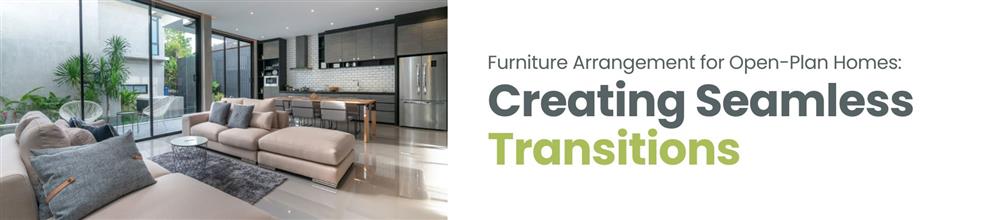
Open-plan homes have become increasingly popular in recent years, offering a sense of spaciousness, natural light, and enhanced social interactions. With the absence of walls dividing different living spaces, designing the furniture layout becomes crucial to create a harmonious and functional environment. In this article, we will explore some effective tips and strategies for arranging furniture in open-plan homes to achieve seamless transitions between various areas.
Define Zones
The first step in furniture arrangement for open-plan homes is to define distinct zones within the space. While there may not be physical barriers, you can use furniture and area rugs to visually separate different areas such as the living room, dining area, and kitchen. Each zone should have a specific purpose and flow naturally into the next, ensuring a smooth transition between spaces.
Consider Traffic Flow
One of the key challenges in open-plan homes is managing traffic flow. To maintain a seamless transition, it is essential to keep pathways clear and unobstructed. Avoid placing large furniture pieces in the middle of the room, and position them against walls or the edges of designated zones. This allows people to move freely and creates a sense of openness.
Use Cohesive Design Elements
To create a cohesive and unified look, incorporate design elements that tie the different zones together. Choose a consistent colour palette and style for your furniture, decor, and accessories. This doesn't mean everything has to match perfectly, but having some common elements will help achieve a harmonious overall design.
Consider Sight Lines
In open-plan homes, sight lines play a crucial role in shaping how the space is perceived. Arrange furniture in a way that allows for easy sight lines between different zones. For example, if you are sitting on the sofa in the living area, ensure that you have a clear view of the dining area and kitchen. This fosters a sense of connection between spaces and encourages social interactions.
Scale and Proportion
When choosing furniture for open-plan spaces, pay close attention to scale and proportion. Oversized furniture can overwhelm the room, while too many small pieces can make it feel cluttered. Strive for a balanced mix of furniture sizes that fit well within each zone and complement the overall room size.
Utilise Area Rugs
Area rugs are excellent tools for defining specific zones in open-plan homes. They not only add warmth and texture to the space but also visually separate different areas. Make sure the size of the rug complements the furniture arrangement within each zone, anchoring the pieces together.
Flexibility and Mobility
Open-plan living allows for flexible furniture arrangements, making it easier to adapt the space for various activities and occasions. Consider incorporating furniture with wheels or lightweight pieces that can be easily moved and rearranged to accommodate different needs and gatherings.
Embrace Multifunctional Furniture
In open-plan homes, optimising space is essential. Embrace the concept of multifunctional furniture, such as a dining table that can extend into a workspace or a sofa with hidden storage. These pieces help maximise the usability of the space while maintaining a seamless transition between areas.
Designing furniture arrangements for open-plan homes requires a thoughtful approach to create seamless transitions between different zones. By defining zones, considering traffic flow, using cohesive design elements, and being mindful of sight lines, scale, and proportion, you can achieve a harmonious and functional space that enhances your home's overall appeal. Embrace the versatility of open-plan living, and let your furniture layout reflect your lifestyle and preferences, making it a true reflection of your unique style.
Check out our products!
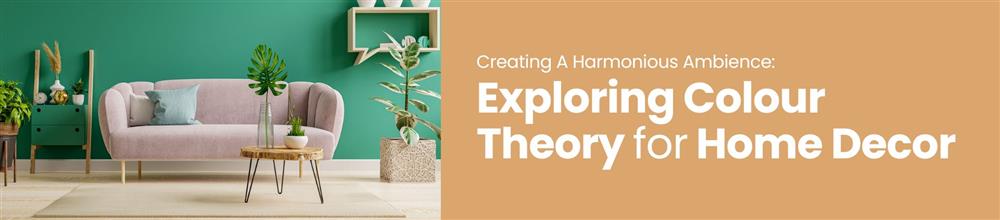
When it comes to home decor, colour plays a crucial role in setting the mood and creating a harmonious ambience. The right colour scheme can transform a space, evoking emotions, influencing behaviour, and enhancing overall well-being. By understanding the principles of colour theory and how different colours interact, you can create a visually pleasing and balanced environment that reflects your personal style and enhances your everyday living experience. In this article, we will explore the fascinating world of colour theory and discover how to apply it effectively to your home decor.
Understanding Colour Theory
Colour theory is a discipline that explores how colours interact with one another and how they can be combined to create different visual effects. The three primary colours—red, blue, and yellow—form the basis of all other colours on the colour wheel. By mixing these primary colours, secondary colours such as orange, green, and purple are created. Tertiary colours are formed by mixing a primary colour with a neighbouring secondary colour on the wheel. Additionally, colour temperature—warm or cool—plays a significant role in setting the mood of a space.
Choosing a Colour Scheme
Before diving into colour selection, it's important to determine the mood and atmosphere you want to create in each room. Consider the function of the space, the natural lighting available, and the overall theme or style you wish to achieve. Here are a few popular colour schemes and their effects:
- Monochromatic: This scheme involves using various shades, tints, and tones of a single colour. It creates a serene and sophisticated ambiance, perfect for minimalist or modern interiors.
- Analogous: Analogous colours are adjacent to each other on the colour wheel. This scheme creates a harmonious and cohesive look while offering more variety than a monochromatic scheme. For instance, combining blue, green, and teal can create a calming and nature-inspired environment.
- Complementary: Complementary colours are opposite each other on the colour wheel, such as blue and orange or red and green. This scheme creates a vibrant and energetic atmosphere. However, it's important to balance the proportions of the complementary colours to avoid overwhelming the space.
- Triadic: Triadic colour schemes consist of three colours that are evenly spaced on the colour wheel. For example, combining red, yellow, and blue creates a dynamic and visually appealing look. Use one colour as the dominant hue and the other two as accents to maintain balance.
The Psychological Impact of Colours
Colours have a profound psychological impact on our emotions and behaviours. Understanding the effects of different colours can help you create the desired atmosphere in each room:
- Red: Associated with passion, energy, and warmth, red stimulates conversation and appetite. It's an excellent choice for dining rooms or areas where you want to create a lively and sociable atmosphere.
- Blue: Blue is calming, soothing, and often associated with tranquillity. It's ideal for bedrooms, bathrooms, or spaces where relaxation is a priority. Lighter shades of blue can also create a sense of expansiveness.
- Yellow: Symbolising happiness and optimism, yellow brings a sense of energy and positivity. It works well in kitchens, living rooms, or areas where you want to foster creativity and joy.
- Green: Green represents nature, growth, and balance. It promotes a sense of serenity and is perfect for bedrooms, home offices, or any space where you want to evoke a connection with the outdoors.
- Purple: Associated with luxury and spirituality, purple adds a touch of sophistication and creativity. It's a great choice for living rooms or spaces where you want to create a sense of elegance.
Balancing Colours in Space
While it's essential to choose the right colour scheme, achieving balance within a space is equally crucial. Here are a few tips for balancing colours effectively:
- Dominant Colour: Select one colour as the dominant hue and use it for larger surfaces such as walls or furniture. This establishes the overall mood and sets the tone for the space.
- Accent Colours: Introduce accent colours in smaller doses to create visual interest and focal points. These can be incorporated through accessories, artwork, or textiles.
- Neutrals: Neutrals such as white, beige, or grey provide a calming backdrop and help balance more vibrant colours. They can be used for larger surfaces or as a base for furniture and decor.
- Visual Flow: Ensure a smooth transition between rooms by using complementary or coordinating colours that create a sense of continuity throughout your home.
Colour theory is a powerful tool that can transform your home into a harmonious and visually pleasing sanctuary. By understanding the principles of colour interaction and the psychological impact of different hues, you can create an atmosphere that aligns with your personal style and promotes well-being. Whether you opt for a monochromatic scheme, analogous colours, or a dynamic triadic palette, remember to maintain balance and consider the function of each space. With a thoughtful approach to colour selection and composition, your home decor will radiate harmony and leave a lasting impression on all who enter.
Check out our products!
 In today's fast-paced and competitive business world, fostering creativity and innovation is crucial for companies to stay ahead. One often overlooked aspect of creating an environment that promotes creativity and innovation is office furniture. The right furniture can have a significant impact on the overall design and functionality of an office space, leading to improved productivity and inspiring ideas. In this article, we will explore the role of furniture in designing office spaces that stimulate creativity and innovation.
How does office furniture affect creativity and innovation?
Office furniture plays a vital role in shaping the physical environment and can greatly influence the mindset and behavior of employees.
Here's how it impacts creativity and innovation:
- Ergonomics: Ergonomically designed furniture ensures employees are comfortable and can focus on their work without distractions or discomfort. Properly aligned chairs, adjustable desks, and supportive seating promote better posture, reduce physical strain, and improve overall well-being, enabling individuals to think more clearly and creatively.
- Flexibility and adaptability: Furniture that allows for easy reconfiguration and adaptability promotes collaboration and creative thinking. Modular workstations, movable partitions, and flexible seating options encourage spontaneous discussions, brainstorming sessions, and cross-functional collaboration.
- Aesthetics and inspiration: Well-designed and visually appealing furniture can create a stimulating environment that inspires creativity. Incorporating elements of color, texture, and unique designs can enhance the aesthetic appeal of the workspace and evoke positive emotions, leading to more innovative thinking.
What are some furniture features that support creativity and innovation?
To foster creativity and innovation, office furniture should possess certain features that support a dynamic and collaborative work environment.
Here are some essential features to consider:
- Collaboration zones: Furniture arrangements that facilitate team collaboration, such as modular desks, comfortable lounge seating, and shared workstations, encourage open communication and idea exchange among employees.
- Standing desks: Adjustable standing desks promote movement and allow employees to switch between sitting and standing positions. This not only improves physical health but also stimulates creativity by providing a change in perspective and posture.
- Privacy options: While collaboration is important, employees also need privacy when working on focused tasks or brainstorming individually. Furniture solutions like privacy screens, soundproof pods, or individual workstations with adjustable dividers offer the necessary privacy without isolating employees entirely.
- Storage solutions: Clutter can impede creativity. Ample storage options, such as filing cabinets, shelves, and organisational units, help keep the workspace tidy and minimise distractions, enabling employees to stay focused and generate innovative ideas.
How can furniture layout contribute to creativity and innovation?
The layout and arrangement of furniture within an office space can significantly impact creativity and innovation.
Consider the following aspects:
- Open plan design: An open layout promotes transparency, communication, and collaboration. By removing physical barriers and encouraging free movement, employees are more likely to interact, share ideas, and innovate.
- Zones for different activities: Creating designated areas for specific activities, such as brainstorming zones, quiet zones for focused work, and relaxation areas, allows employees to choose spaces that best suit their needs at different stages of the creative process.
- Natural light and views: Positioning furniture to maximize natural light and provide access to outdoor views has a positive impact on creativity. Sunlight and nature views help reduce stress, enhance mood, and boost cognitive performance.
Designing office spaces for creativity and innovation goes beyond aesthetics and functional considerations; it includes the strategic selection of furniture. The right furniture can contribute to a positive work environment, stimulate creativity, and foster innovation among employees. By prioritising ergonomic design, flexibility, collaboration, and technology integration, companies can create an inspiring workspace that nurtures the creative potential of their teams. Ultimately, investing in well-designed office furniture is an investment in the future success and growth of an organisation.
Check our office furniture for your next creativity upgrade!
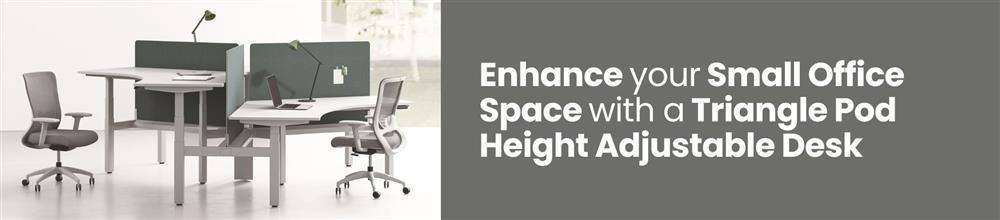 In today's fast-paced world, small office spaces have become increasingly common. Whether you're working from home or have limited space in your office, it's essential to optimize your workspace for maximum productivity. One innovative solution that can transform your small office into an efficient and ergonomic environment is the Triangle Pod Height Adjustable Desk.
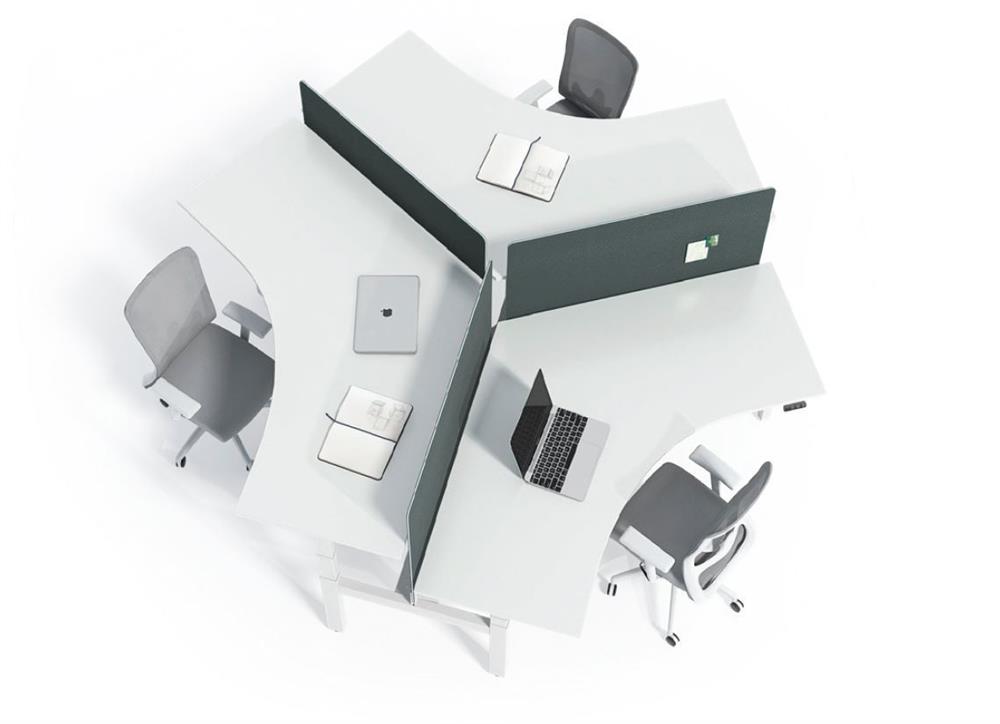
(UP1 Triangle Pod Height Adjustable Desk System)
Introducing the UP1 Triangle Pod Height Adjustable Desk System—a game-changer for small office spaces. This innovative desk system combines functionality, ergonomics, and space-saving design to enhance your productivity and transform your workspace. It effectively optimises every inch of your available space, allowing you to make the most of your small office area. This space-efficient design not only saves precious floor space but also provides a sleek and modern aesthetic to elevate your workspace.
What is a Triangle Pod Height Adjustable Desk?
The Triangle Pod Height Adjustable Desk is a cutting-edge workspace solution designed to fit into small office spaces while providing optimal functionality. It is called a "triangle pod" because of its unique triangular shape, which allows it to fit snugly into corners or against walls, maximising the use of space.
Key Features and Benefits:
- Space-efficient design: The triangular shape of the desk enables it to occupy unused corner spaces effectively. This design not only saves precious floor space but also allows you to utilise every nook and cranny of your office effectively.
- Height adjustability: One of the standout features of the Triangle Pod Height Adjustable Desk is its ability to adjust the height according to your preferences. With just a push of a button, you can effortlessly raise or lower the desk to achieve the ideal ergonomic position. This adaptability promotes better posture and reduces the risk of musculoskeletal disorders caused by prolonged sitting or awkward positioning.
- Enhanced productivity: A clutter-free and organised workspace is crucial for staying focused and productive. The Triangle Pod Height Adjustable Desk comes equipped with built-in cable management systems, providing a neat and tidy environment for your wires and cables. Additionally, it offers ample desktop space for all your essentials, from your computer and monitors setup to notebooks, pens, and other office supplies.
By investing in the Triangle Pod Height Adjustable Desk, you can transform your small office into an efficient and ergonomic environment that maximises productivity and comfort. Say goodbye to cramped workstations and hello to a workspace that is tailored to your needs. Experience the benefits of the Triangle Pod Height Adjustable Desk today and unlock the potential of your small office space.
Check our UP1 Triangle Pod Height-Adjustable Desk!
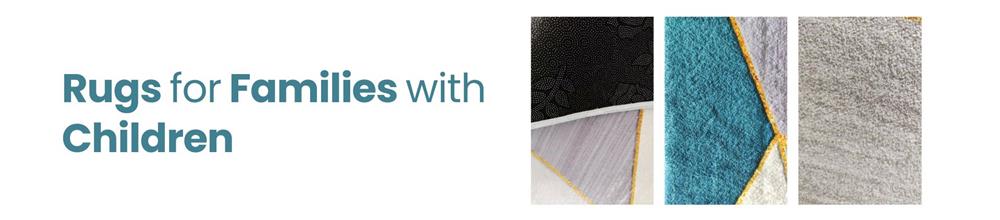 Rugs have a remarkable ability to transform a space and create a warm and inviting atmosphere. Beyond their aesthetic appeal, rugs offer numerous benefits, especially for families with children. In this article, we will explore the magic of rugs and delve into the specific advantages they provide for families. From creating a safe and comfortable environment to enhancing learning experiences, rugs play a significant role in the lives of children and their families
Comfort and Safety:
One of the primary benefits of rugs for families with children is the comfort they provide. Soft and cushioned rugs offer a cozy surface for children to play, crawl, and relax. They create a designated space where kids can engage in various activities, ensuring a comfortable environment for their growing bodies. Rugs also act as a protective barrier, cushioning falls and reducing the risk of injuries during playtime.
Warmth and Insulation:
Rugs contribute to the overall warmth of a room, both literally and figuratively. In colder seasons, rugs help insulate the floor, providing a cozy and comfortable surface for children to sit or play on. This is particularly beneficial for areas with hard floorings, such as tile or hardwood, which can become cold and uncomfortable. By adding a rug, you create a warm and inviting space where children can freely explore and interact.
Sound Absorption:
Active children often generate a significant amount of noise while playing, which can be a challenge in maintaining a peaceful household. Rugs act as sound absorbers, reducing echo and minimizing the transmission of noise between floors. This can be particularly advantageous in multi-level homes or apartments where sound travels easily. With rugs, you can create a quieter environment that promotes a sense of calm and tranquility.
Versatile Learning Spaces:
Rugs provide an excellent foundation for creating versatile learning spaces within the home. Whether it's a designated reading corner, a puzzle or building area, or a spot for arts and crafts, rugs help define and organize these learning zones. By having specific areas designated for different activities, children develop a sense of structure and focus, enhancing their learning experiences and promoting independent play.
Style and Design:
Rugs are not just functional, they also serve as a design element that adds charm and personality to a room. With a vast array of colors, patterns, and textures available, you can choose a rug that complements your existing decor or becomes a focal point in space. By involving children in the selection process, you can encourage their creativity and help them develop an appreciation for aesthetics and design.
How do I choose the right rug for my family with children?
When selecting a rug for a family with children, consider the following factors: Material: Opt for durable and stain-resistant materials such as wool, nylon, or polypropylene, which are easier to clean and maintain.
Size and Shape:
Choose a size and shape that fits the space and allows ample room for children to move and play comfortably. Safety Features: Look for rugs with non-slip backing or use rug pads to ensure stability and prevent slips or falls.
Easy Maintenance:
Consider rugs that are easy to clean, either through regular vacuuming or spot cleaning, to keep them looking fresh and hygienic.
Here are a few considerations:
Material Selection:
Opt for rugs made from hypoallergenic materials such as natural fibers like wool or rugs labeled as allergy-friendly. Avoid rugs with synthetic materials that may trap dust or allergens.
Regular Cleaning:
Vacuum rugs regularly use a vacuum cleaner with a HEPA filter to capture dust mites, pet dander, and other allergens. Steam cleaning can also be effective in deep cleaning and eliminating allergens.
Proper Ventilation:
Ensure proper ventilation in the room where the rug is placed to reduce the accumulation of allergens. Opening windows or using air purifiers can help improve air quality.
By considering these factors and implementing proper cleaning and maintenance routines, rugs can still be enjoyed by children while minimising potential triggers.
Rugs offer a range of benefits for families with children, including comfort, safety, warmth, sound absorption, and versatile learning spaces. By selecting the right rug material, size, and design, you can create an environment that promotes creativity, play, and a sense of style. Embrace the magic of rugs and create a nurturing space for your family to thrive.
Check our rugs selections!
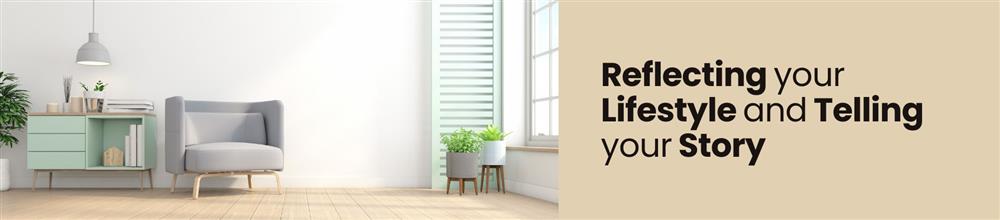
The living room is more than just a space for relaxation and entertainment. It is a canvas where you can express your personality, share your story, and create a space that truly reflects who you are. Personalisation and storytelling play a vital role in living room design, allowing you to infuse meaning and depth into your environment. In this article, we will explore the importance of personalisation and storytelling in the living room, discuss ways to incorporate meaningful decor, artwork, and personal mementos, and highlight how the living room can serve as a reflection of your lifestyle, interests, and values.
Personalisation and storytelling are key elements in interior design, particularly in the living room, as it is a space that is often shared with guests and loved ones. When you personalize your living room, you are creating a space that is uniquely yours, evoking a sense of comfort, belonging, and authenticity. It goes beyond mere aesthetics and becomes a representation of your identity.
One of the most effective ways to incorporate personalisation is through meaningful decor. Consider selecting items that hold sentimental value or evoke memories. It could be a vintage lamp inherited from a beloved family member, a handmade rug from your travels, or a sculpture that reflects your cultural heritage. These pieces not only add visual interest but also serve as reminders of the experiences and people that have shaped your life.
Artwork is another powerful tool for personalizing your living room. Choose pieces that resonate with you on an emotional level and reflect your interests and passions. Whether it's a vibrant abstract painting that sparks joy, a serene landscape that reminds you of your favorite getaway, or a thought-provoking photograph, artwork can tell stories and ignite conversations. It becomes a reflection of your aesthetic preferences and the experiences that have influenced you.
Personal mementos are invaluable in creating a living room that tells your story. Display items that hold special significance to you, such as family photographs, travel souvenirs, or treasured collections. These objects not only add a personal touch but also invite curiosity and provide opportunities for storytelling. Each item becomes a chapter in your life's narrative, allowing others to connect with you on a deeper level.
Beyond personalisation, the living room can serve as a reflection of your lifestyle, interests, and values. Consider your daily routines and activities when designing the space. If you enjoy reading, create a cozy reading nook with a comfortable armchair and a bookshelf filled with your favorite titles. If you are an avid movie watcher, design a home theater setup that caters to your cinematic preferences. By aligning the living room with your hobbies and interests, you create a space that enhances your lifestyle.
Furthermore, the living room provides an opportunity to showcase your values. If you prioritise sustainability, opt for eco-friendly materials and furnishings. If you have a passion for supporting local artists, adorn your walls with their creations. The living room becomes a platform to communicate your values to others, inviting them to engage in conversations and discover shared interests.
Personalisation and storytelling are essential in living room design, allowing you to create a space that reflects your personality, experiences, and values. By incorporating meaningful decor, artwork, and personal mementos, you infuse your living room with a sense of authenticity and create an environment that resonates with you and those who enter it. Remember, the living room is not just a functional space; it is an opportunity to tell your story and share a part of yourself.
Check our range of furniture to create your own personal story!
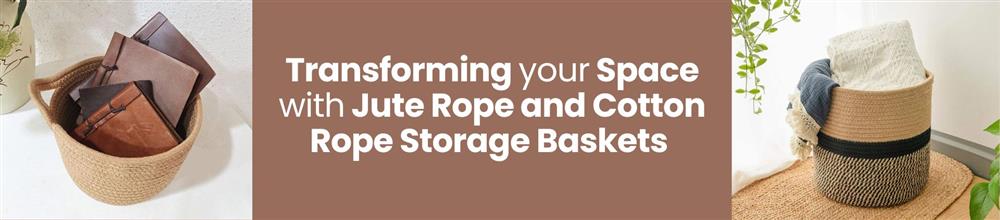
What are Jute Rope and Cotton Rope Storage Baskets?
Jute rope and cotton rope storage baskets are woven containers made from natural fibers. Jute rope is derived from the jute plant, which is known for its strength and durability. Cotton rope, on the other hand, is made from soft and breathable cotton fibers. Both materials are eco-friendly, biodegradable, and sustainable choices for storage solutions.
The Beauty of Natural Elegance:
Jute rope and cotton rope storage baskets bring a touch of natural elegance to any space. Their earthy and rustic appearance adds warmth and character to both modern and traditional interiors. The unique texture and neutral tones of jute and cotton ropes blend seamlessly with various decor styles, making them versatile accessories for any room.
Functionality and Versatility:
These storage baskets offer more than just aesthetic appeal. Their sturdy construction allows them to hold a wide range of items, from toys and blankets to books and magazines. You can use them to declutter and organise your living room, bedroom, nursery, or even your office. The baskets come in various sizes and shapes, allowing you to find the perfect fit for your storage needs.
Benefits of Jute Rope and Cotton Rope Storage Baskets:
- Eco-Friendly: Choosing natural fiber storage baskets promotes sustainability and reduces environmental impact. Jute and cotton ropes are renewable resources that can be harvested without causing harm to the environment.
- Durability: Jute rope and cotton rope are known for their strength and resilience, making them excellent choices for long-lasting storage solutions. These baskets can withstand regular use and retain their shape even when carrying heavier items.
- Breathability: Unlike synthetic materials, jute and cotton ropes provide breathability, preventing moisture buildup and allowing air circulation. This makes them suitable for storing items like fresh produce, linens, or items that require ventilation.
- Softness and Safety: Cotton rope storage baskets offer a soft and gentle touch, ensuring the safety of delicate items like baby clothes or accessories. The absence of sharp edges or hard materials reduces the risk of accidental injuries.
Can jute and cotton rope storage baskets be cleaned?
Yes, these baskets can be easily cleaned. For light dirt or dust, you can use a soft brush or a damp cloth to wipe them clean. In the case of stubborn stains, spot cleaning with mild soap and water is recommended. Avoid submerging the baskets in water or using harsh chemicals.
Are these baskets suitable for outdoor use?
Jute and cotton rope storage baskets are primarily designed for indoor use. While they can withstand some exposure to sunlight, it is best to keep them away from prolonged outdoor exposure to maintain their longevity.
Jute rope and cotton rope storage baskets offer a beautiful and eco-friendly solution for organising your space. With their natural elegance, durability, and versatility, these baskets are not only functional but also add a touch of rustic charm to your home. They provide a sustainable alternative to synthetic storage options and contribute to a more eco-conscious lifestyle. Whether you're looking to declutter your living space, add organisation to your nursery, or enhance your office decor, jute rope, and cotton rope storage baskets are a perfect choice. Their timeless appeal and practicality make them a must-have for those seeking both style and sustainability. So, embrace natural elegance and transform your space with these beautiful storage baskets today!
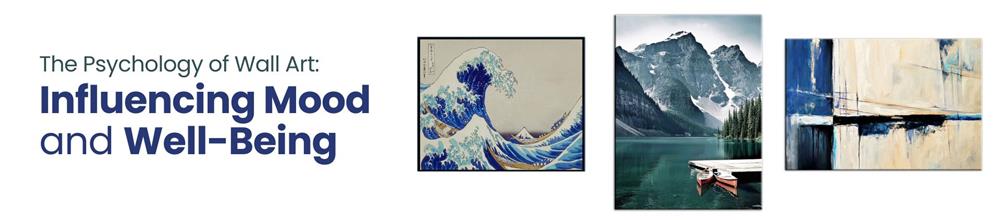
Wall art is not merely decorative; it has the power to influence our emotions and overall well-being. The colors, subject matter, and artistic styles we choose to adorn our walls can have a profound impact on our mood and the atmosphere of our living spaces. In this article, we will delve into the psychology of wall art, exploring its effects on our emotions and offering tips on selecting pieces that promote relaxation, productivity, or positivity in different areas of the home.
The Psychological Effects of Wall Art
Numerous studies have shown that visual stimuli, such as art, can elicit emotional responses and influence our psychological state. Wall art has the potential to create a sense of calm, inspire creativity, evoke happiness, or even promote productivity, depending on its characteristics and the individual's personal preferences.
Colors play a significant role in influencing our emotions. Warm colors like red, orange, and yellow can stimulate energy and passion. Cool colors like blue and green, on the other hand, have a calming and soothing effect. Understanding the psychological impact of colors is crucial when choosing art pieces that align with the desired atmosphere of a room.
Subject matter and artistic styles also contribute to the psychological effects of wall art. For instance, serene landscapes or nature scenes can evoke a sense of tranquility and relaxation. Abstract or geometric artwork can inspire creativity and stimulate the mind. Figurative art depicting joyful or uplifting scenes can evoke positive emotions and boost overall well-being.
Selecting Art Pieces for Desired Effects
Relaxation in the Bedroom:
The bedroom is a sanctuary for rest and relaxation. Opt for soothing colors like soft blues, greens, or pastels. Landscape paintings, abstract art with gentle lines and curves, or serene nature photography can create a calming ambiance. Avoid intense or overly stimulating artworks that may disrupt sleep.
Productivity in the Home Office:
To enhance focus and productivity, choose artwork with energizing colors like yellow or orange. Abstract art or bold geometric patterns can stimulate creativity and inspire innovative thinking. Incorporate motivational quotes or art pieces that align with your professional goals to create an environment conducive to work.
Positivity in Living Areas:
Fill living rooms or common areas with art that brings joy and positivity. Consider vibrant and cheerful colors like red, yellow, or pink. Figurative art depicting happy moments, nature-inspired artwork with vivid colors, or abstract art with bold, uplifting forms can create a lively and optimistic atmosphere.
Serenity in Relaxation Spaces:
Create a tranquil oasis in spaces dedicated to relaxation, such as a reading nook or meditation corner. Choose artwork with calming colors like soft blues, greens, or neutrals. Abstract art with gentle curves or serene landscape paintings can induce a sense of peace and serenity.
Personal Connection:
Select art pieces that resonate with your personal interests, memories, or values. When you feel a connection to the artwork, it can evoke positive emotions and enhance your overall well-being.
Remember, personal preferences play a significant role in the psychological impact of wall art. Trust your instincts and choose pieces that genuinely speak to you. Experiment with different styles, colors, and subjects until you find the artworks that create the desired atmosphere and evoke the emotions you seek in each space.
Incorporating carefully selected wall art into your living spaces can transform your home into a haven that promotes positive emotions, enhances well-being, and reflects your unique personality. Allow the power of art to influence your mood and create an environment that nurtures your mind, body, and soul.
Check our wall art selections!
.webp)
Article archive
- 2025
- 2024
- 2023
- 2022
.jpeg)

 (3).jpeg)
